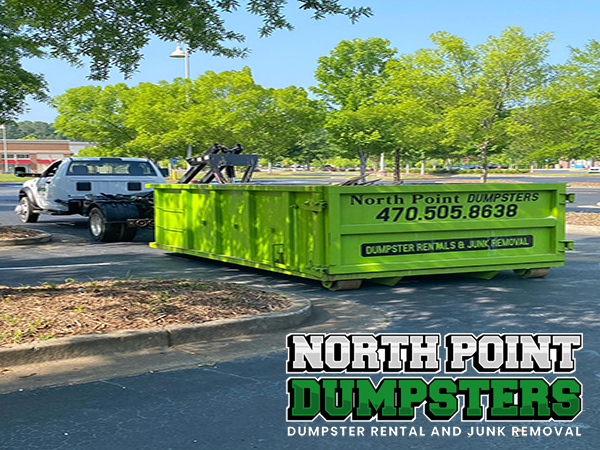
Selecting the right dumpster size is one of the most important steps in planning any cleanup or renovation project. From home cleanouts and remodeling jobs to construction work, having a properly sized dumpster ensures your site stays neat and well-managed. A container that’s too small can lead to overflow and extra trips. Oversizing your dumpster could mean wasted space and inefficiency. The goal is to find the perfect balance that matches your project’s waste volume and material type.
At North Point Dumpsters, we realize that figuring out the appropriate dumpster size can sometimes feel overwhelming. It’s common for customers to feel uncertain about how to begin or which details matter most when deciding. Our team works closely with you to assess your project thoroughly, from material type to project duration. By carefully assessing these elements, you can ensure that your dumpster rental supports your work instead of slowing it down.
Assessing the Type of Project You’re Working On
Each project produces different kinds and quantities of debris. A simple decluttering job might yield lightweight waste, while renovation work often results in heavier debris such as wood, plaster, or concrete. Knowing what kind of work you’re doing is key to determining the best dumpster for the job. Think about the approximate weight and total amount of debris you’ll be discarding. Light but bulky items will take up more space, while heavier materials will fill the dumpster quickly but not necessarily to the top.
Look at the area of your job site or home where the project will occur. If you’re working on a small renovation or garage cleanup, a compact container that fits your driveway might suffice. Extensive construction or landscape work usually benefits from a larger container with more capacity. Evaluating the scale and intensity of your project ensures that you select a dumpster that accommodates your workload efficiently without unnecessary hassle.
Estimating the Total Debris Output of Your Project
A key factor in estimating the right dumpster size is determining the total volume of waste you’ll produce. This doesn’t have to be an exact number, but having a general idea will help you make a smarter decision. Start by visualizing how much material will be discarded and how it might stack up inside a container. If you’re working on a big remodel, think about everything you’ll discard, including flooring, furniture, and structural waste.
When handling big projects, it’s wise to inspect the area and list what will be thrown away. Old furniture, packing boxes, outdoor waste, and renovation leftovers accumulate quickly. Remember that compacting materials or breaking them down before placing them rent a small dumpster in the dumpster can help maximize space. Allowing some extra margin ensures you won’t need a second dumpster during your project.
Factoring in the Weight and Kind of Debris
Different materials have varying disposal requirements and weights. Dense materials like concrete, tile, or roofing should be placed in containers built to support their weight. Overfilling a dumpster with dense materials can exceed its weight limit and create safety hazards during pickup. Selecting a container that accommodates both weight and volume is vital for safe disposal. Knowing your waste type allows for better planning and smoother project execution.
Light debris such as household clutter or leaves takes up volume but rarely exceeds weight limits. By separating materials by type when possible, you can optimize how the dumpster is filled and minimize the risk of overloading. We help customers with easy-to-follow loading tips to promote safety and maximize productivity during cleanup.
Planning the Best Spot for Dumpster Placement
Before finalizing your dumpster rental, take time to plan the most suitable location for your container. Every placement area—whether a driveway or job site—comes with its own space challenges. Make sure there’s adequate room for safe delivery and retrieval. Also, take into account the maneuverability of vehicles or equipment around the area, so that the container placement doesn’t interfere with your workflow. Thoughtful placement keeps your project productive and obstacle-free.
Preparing the ground before placing your dumpster is highly recommended. Solid and even ground such as concrete or compacted soil works well, as it provides stability and minimizes damage. Stay away from soft or sloped areas that can cause shifting or imbalance. Our team takes extra care when positioning containers to ensure they’re both accessible and secure, giving you peace of mind throughout your project.
Planning Dumpster Use Around Your Project Schedule
Another important consideration when choosing your dumpster size is how long your project will last. Short-term cleanups might only need a container for a few days, while ongoing renovations could require extended use. The longer your project continues, the more waste you’ll likely accumulate. Knowing your duration helps decide if you’ll benefit from one larger rental or several smaller ones. This prevents interruptions and keeps your workspace organized from start to finish.
Proper timing is key to an efficient cleanup. Aligning your dumpster delivery with project milestones helps manage waste effectively. This approach keeps your job site clear, minimizes clutter, and reduces safety risks. Our rental schedules are flexible to fit shifting timelines, allowing you to focus on your work without worrying about waste management delays.
Common Mistakes to Avoid When Choosing a Dumpster
A typical error when renting dumpsters is misjudging the amount of waste generated. Choosing too small a size often leads to space shortages mid-project. Stacking debris over the rim is unsafe and often results in extra hauls. The best approach is to choose a bit more space than you think you’ll need. Extra space provides convenience and avoids mid-job disruptions.
Another mistake is not considering the type of material being disposed of. Improperly mixing dense and light debris can cause loading challenges. There are also restricted materials that must be handled separately. Our team provides detailed direction on acceptable materials, helping you avoid extra expenses and unnecessary delays.
Why Consulting Experts Leads to Smarter Dumpster Decisions
Even with careful planning, estimating the right dumpster size can be challenging if you’re not used to managing large projects. This is where expert advice can make all the difference. Experts use their experience to offer tailored advice based on your project’s needs. Professionals analyze your requirements and suggest the most suitable option. This kind of support helps prevent mistakes and keeps your project on track.
We’re dedicated to giving every customer clear, attentive support during the entire rental process. From the moment you call to the final pickup, their priority is to make your experience efficient, transparent, and stress-free. When you work with experts, you can trust your dumpster fits your project perfectly, helping you maintain a clean, efficient, and stress-free project area.
Selecting the Ideal Dumpster for an Organized and Productive Project
Getting the correct dumpster size is key to maintaining an orderly, efficient project. By carefully evaluating your project type, material weight, and overall volume of debris, you can select a container that perfectly aligns with your needs. Planning ahead helps you avoid clutter, excess hauls, and workflow interruptions. The ideal dumpster choice makes cleanup easier, safer, and more effective throughout your project.
North Point Dumpsters focuses on helping every customer choose the most suitable dumpster for their specific project. We provide professional support, adaptable services, and a strong dedication to satisfaction for a seamless rental process. No matter the type of cleanup—residential, commercial, or construction—our guidance ensures smooth, uninterrupted progress.
Comments on “How to Estimate the Right Dumpster Size for Your Project”